Datacenter HTTPS proxies on IPv4 from IPrazon. The channel to the proxy is encrypted over TLS, a fit where traffic confidentiality matters. The package includes HTTPS, HTTP and SOCKS5, rotation, unlimited traffic, 200+ countries. Free trial up to 2 hours.
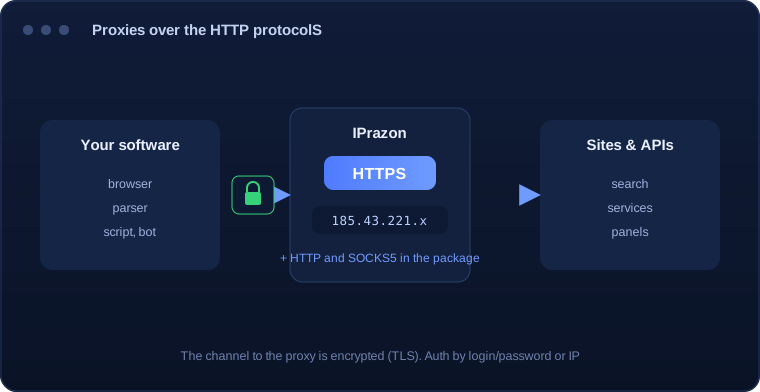
An HTTPS proxy is an HTTP proxy with an encrypted channel: the connection between your program and the proxy server is protected over TLS. Data on this segment travels encrypted, which matters when traffic is sensitive.
In compatibility an HTTPS proxy is on par with HTTP: browsers, parsers, scripts and antidetect browsers all understand it. The difference is the protected channel to the proxy, and the request to the site itself still goes through an address from the pool.
An HTTPS proxy at IPrazon is the same datacenter IPv4 pool reached over an encrypted tunnel. The proxy opens a CONNECT tunnel and passes TLS through untouched, so it never sees inside your session. HTTP and SOCKS5 ride in the same package, so the protocol follows the task rather than the invoice.
Setup is as simple as HTTP and takes a couple of minutes:
If your software uses a string like https://login:pass@host:port, use it to connect.
| Parameter | Value |
|---|---|
| Protocol | HTTPS over HTTP CONNECT, TLS traffic passes through without decryption |
| Output format | IP:PORT is the main one. IP:PORT:LOGIN:PASS is the second option |
| Where to enter | The HTTPS proxy field in a browser or client: host and port |
| Encryption | Your connection to the site stays encrypted end to end |
| Pool type | Private datacenter IPv4 |
| Threads | Up to 3000 depending on plan |
| Traffic | Unlimited |
| Addresses live | 12,000 IPs, rotation runs automatically |
| Connection | Bind your IP in the dashboard for the IP:PORT format |
| Test | Free test up to 2 hours |
One package covers HTTP, HTTPS and SOCKS5, so you pick the protocol per task with no plan change.
HTTPS proxies are chosen where a protected channel matters:
Worth saying plainly: TLS encryption is not an anti-fraud shield. Where social platforms run strict fraud checks, residential and mobile addresses hold up better, and we do not sell those. HTTPS from a datacenter pool is built for encrypted API calls, monitoring and scraping.
HTTPS traffic goes through hardware we own: low latency on the TLS handshake, steady addresses, uptime without drops. New IPs arrive by rotation on schedule or on demand.
Volume is never billed on any package. Behind HTTPS sits the same 12,000-address IPv4 base across 200+ countries, and the Corporate plan lifts the ceiling to 3000 concurrent threads, enough for TLS-heavy API polling.
One package, three protocols: HTTPS for encrypted endpoints, HTTP for plain ones, SOCKS5 when DNS must stay inside the tunnel. Authorize by login and password, or bind your IP in the dashboard and drop credentials entirely.
I took HTTPS proxies where an encrypted channel mattered. Runs stably, good speed, I set rotation myself.
Handy that HTTPS, HTTP and SOCKS5 are in one package. Ran the 2-hour trial before paying, all good.
I use it for APIs and panels over a secure connection. Unlimited traffic and Telegram support are exactly what I needed.
Try it against a real TLS endpoint first, the free trial runs up to 2 hours. Point your client at the HTTPS proxy and watch handshake time and stability under your own load.
An HTTPS proxy encrypts the channel between your software and the proxy over TLS, while HTTP leaves that segment unencrypted. In compatibility they are the same, and both are in the package.
There is nothing to buy on top. All three protocols ship with every package, and switching between them costs neither a fee nor a plan change.
HTTPS runs over the same datacenter IPv4 pool of 12,000 addresses across 200+ countries. Access is private and addresses are never sold one by one.
The channel between your software and the proxy is encrypted. From there the request goes to the site by its own protocol, so if the site is on HTTPS, the connection stays protected end to end.
Both methods are available: by login/password or by binding your IP.
For encrypted API calls, monitoring and parsing, yes. Social accounts are a different story: residential and mobile proxies suit them better, and we do not offer those.
Two hours of free access, no card. Wire the HTTPS proxy into your client and judge it on your own endpoints before any payment.